What Does a Home Inspection in White Salmon Include
When buying or selling a home, there are many questions, but never one that should be left without an answer: What is the condition of the property actually? A house may appear to be in good condition during a home inspection, but there could be problems that are not visible. It's here where a professional inspection is essential.
It offers an objective, visual evaluation of the systems and components that are accessible to the home, which will enable buyers, sellers, and homeowners to understand what they will be dealing with before making critical choices. Home Maintenance Inspections in White Salmon also provide a practical tool for homeowners to be proactive in home maintenance and preserve their home's value over time.
Understanding the Purpose of a Home Inspection
A home inspection isn't a way to look for reasons to back out. It's a matter of changing assumptions to facts. All homes, including new construction, have pros and cons. Those details that are revealed through a careful inspection are few surprises after closing.
The focus at Next Chapter Home Inspections is to provide a comprehensive visual inspection of the parts of the home that are accessible. The objective is to pinpoint visible issues, safety considerations, and maintenance needs and to present these in terms that are easily understood. Where possible, clients are invited to attend the inspection, as it is often a visual inspection that will be able to give clients the answers to any questions that the written report will not.
Structural Components
All inspections begin with the structure of the home first since everything else relies on it. Inspectors check accessible structural parts for any visible movement, damage, or moisture that may impact the future performance of the home.
This covers the checking of the following:
- Foundation
- Crawl spaces or basements
- Floor structure
- Walls
- Ceilings
- In structural framing, the accessible area is located in the structure
While many homeowners see hairline cracks and settling as normal, any major display of motion or water must be taken into account. The intent of it is to record what is seen, rather than to hypothesize what was done behind the completed surfaces.
Exterior Features
The outside of the house is the house's first line of security against weather, moisture, and wear. Issues on the exterior of the house, no matter how minor, can become a lot larger if not addressed.
In the external aspects of the building that can be seen during the inspection, the following are checked:
- Siding and trim
- Windows or outside doors are required.
- Railings, decks, and porches
- Walkways and driveways
- Landscaping around the house
Good drainage is sometimes overlooked. While the water is flowing towards the foundation, this can cause costly issues in the long run; therefore, this is a great part to be included in the inspection.
Roof System
Roofs do not fail in an instant. Most of the time, they exhibit early signs of ageing before leaking inside the home. A professional inspection can be helpful in identifying those signs early.
The main visible elements of a roof are:
- Roofing materials
- Flashing
- Gutters and downspouts
- Roof penetrations
- Ventilation where accessible
- Evidence of noticeable water intrusions
Knowing what condition the roof is in means that homeowners can begin planning for future roof maintenance rather than waiting for additional repairs to be necessary.
Plumbing and Electrical Systems
Plumbing and electrical systems operate without making a lot of noise, and that's why they can be overlooked until the problem occurs.
The plumbing inspection includes accessible supply lines, the drain system, fixtures, water heaters, and any visible plumbing leaks. Inspectors also watch the flow and drainage of water, and note conditions which may require maintenance.
Electrical inspection involves the main service panel, breakers, visible wiring, outlets and switches, and the proper safety devices when present. Any visible conditions which could pose a safety concern are recorded in the report.
Both systems are tested, but not disassembled. Rather, inspectors pay attention to the condition and normal operation of visible parts that are accessible.
Heating, Cooling, Insulation, and Ventilation
A furnace or air conditioner is not enough to provide comfort. Those systems operate efficiently and minimize moisture problems within the home with proper insulation and ventilation.
Inspectors visually assess accessible:
- Heating equipment
- Cooling systems
- Thermostats
- Ductwork
- Attic insulation
- Ventilation of attic and crawl space.
The observations aid the homeowner in creating an understanding of the apparent function of the home's environmental systems on the day of the inspection.
Interior Features and Fireplaces
Inspectors check the condition of accessible living spaces and finishes within the home. Walls, ceilings, floors, windows, doors, stairways, and cabinets are inspected for obvious damage, water stains, or allowances for deferred maintenance.
Accessible parts of a fireplace are also visually inspected if the home has a fireplace. Fireplaces are obviously a center of activity during the winter months but should be safe and maintained properly. Visually observed deterioration or damage is documented to allow homeowners to make informed decisions on service or repair.
Additional Services That Provide Greater Insight
In some properties, services are available that are more than a standard inspection. Next Chapter Home Inspections provides a number of possibilities that deliver a much fuller picture of the condition of a home.
These include:
- Pre-Purchase Home Inspections
- Pre-Listing Home Inspections
- New Construction Inspections
- 11th-Month Warranty Inspections
- Radon Testing
- Thermal Imaging
- Sewer Scope Inspections
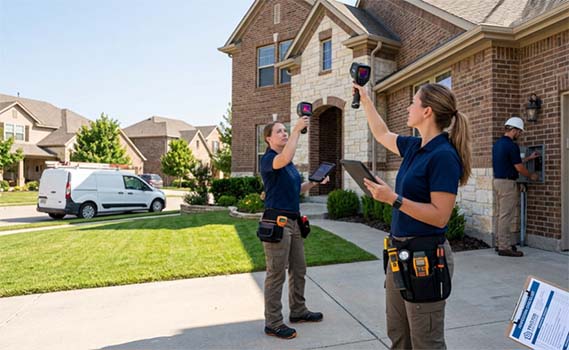
Thermal imaging will be able to detect moisture where it shouldn't be, missing insulation, and abnormal heat patterns that cannot be seen in a traditional inspection. Sewer scope inspections are a way of being able to check the underground sewer lines before they cause any problems that may become disruptive and expensive. Radon testing is another piece of information that can be collected because it will tell you if there are high radon levels, which can impact the indoor air quality.
Home Maintenance Inspections are often performed as part of regular home care for many homeowners in White Salmon. This regular review may be able to uncover problems before they escalate, thus paving the way for simpler maintenance in the future.
Conclusion
A home inspection isn't just about a checklist. It helps to provide buyers, sellers, and homeowners with an accurate picture of what they are getting into, so that they can make informed decisions instead of decisions based on guesswork. Next Chapter Home Inspections brings over 30 years of building experience, AHIT accreditation, and a successful completion of the National Home Inspector Examination to offer comprehensive visual inspections professionally and ethically. When buying or selling a home or when it comes time for long-term maintenance, having the expertise of professionals on your side is helpful and can be a source of comfort. Residential Home Inspectors in Goldendale are also available for those looking outside of the White Salmon area to come in and provide expertise for reliable and thorough property evaluations.
FAQs
1. What Does a Home Inspection Typically Cover?
A home inspection includes a visual evaluation of the home's accessible structural, electrical, plumbing, roofing, HVAC, interior, and exterior components.
2. Should a Newly Built Home Still Be Inspected?
Yes. New construction inspections can identify workmanship issues or overlooked defects before they become larger concerns for the homeowner.
3. Why is Thermal Imaging Included with Some Home Inspections?
Thermal imaging helps detect hidden moisture, insulation gaps, and overheating electrical components that may not be visible during a standard inspection.
4. What Happens After the Home Inspection is Complete?
A detailed digital inspection report with photographs and documented findings is provided to help buyers and sellers better understand the property's condition and make informed decisions.
5. Can a Home Inspection Help Both Buyers and Sellers?
Yes. Buyers gain a better understanding of a property's condition, while sellers can identify and address issues before listing their home.